how to tell if yeast infection or bv Yeast infection naturales remedios candidiasis hongos efectivos
When it comes to our health, it’s important to understand the difference between various conditions. In this post, we will explore the distinctions between urinary tract infections (UTIs) and yeast infections and provide insight into how to differentiate between the two.
Understanding UTIs
A UTI refers to an infection that occurs in any part of the urinary system, including the kidneys, bladder, ureters, and urethra. It typically arises as a result of bacteria entering the urinary tract, causing irritation, discomfort, and various symptoms such as frequent urination, pain or burning during urination, cloudy or strong-smelling urine, and even lower abdominal pain.
 UTIs are more common in women than in men, primarily because the urethra is shorter in females, making it easier for bacteria to reach the bladder. Among women, sexual activity, the use of certain birth control methods, and menopause can increase the risk of developing a UTI. UTIs are typically treated with antibiotics.
Understanding Yeast Infections
On the other hand, a yeast infection, also known as candidiasis, is a type of fungal infection caused by an overgrowth of the Candida fungus, particularly Candida albicans. Yeast infections most commonly affect the genital area in women, causing discomfort, itching, and unusual discharge. In men, yeast infections can occur on the penis, leading to similar symptoms.
Factors that may contribute to the development of a yeast infection include weakened immune systems, hormonal changes, the use of antibiotics that disrupt the natural balance of microorganisms in the body, and high blood sugar levels. Yeast infections are typically treated with antifungal medications, such as topical creams or oral tablets.
:max_bytes(150000):strip_icc()/vaginal-yeast-infections-overview-3521202_color1-5c773bccc9e77c0001e98dc1.png) Differentiating Between UTIs and Yeast Infections
Differentiating Between UTIs and Yeast Infections
While there are some overlapping symptoms, there are key differences that can help differentiate between UTIs and yeast infections.
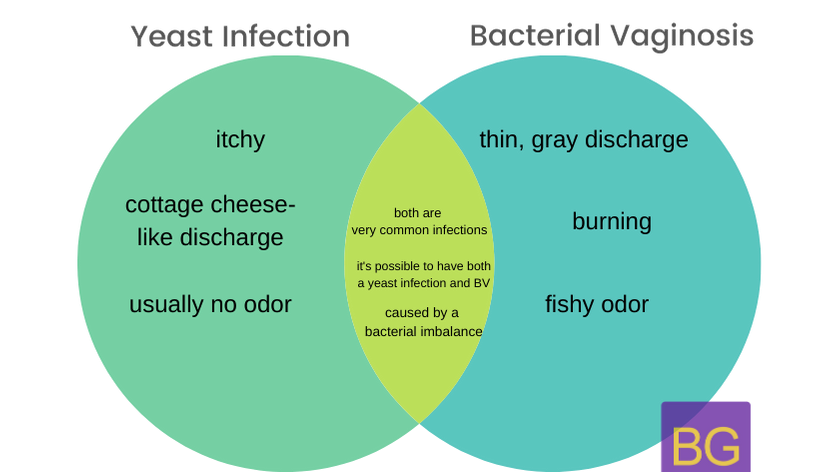
UTI symptoms often include pain or burning during urination, frequent urination with small amounts of urine passed, and a strong urge to urinate even when the bladder is empty. Yeast infection symptoms commonly involve itching and irritation in the genital area, along with a thick, white, and cottage cheese-like discharge.
It’s important to consult a healthcare professional for an accurate diagnosis, as self-diagnosis can lead to inappropriate treatment and potentially worsen the problem. Healthcare providers typically conduct urine tests or vaginal swabs to determine the cause of the symptoms and recommend appropriate treatment.
In conclusion, understanding the differences between UTIs and yeast infections is vital for proper diagnosis and treatment. If you experience any symptoms, it’s best to consult a healthcare professional who can offer reliable guidance and help you navigate the path to recovery. Remember, accurate knowledge and timely intervention are key to maintaining optimal health and well-being. If you are searching about Yeast Infection: Overview and More you’ve visit to the right page. We have 5 Images about Yeast Infection: Overview and More like What Is The Difference Between Uti And Yeast Infection - YeastAdvice.com, Candidiasis - Yeast Infection Specialist - Broadway Gynecology and also Candidiasis - Yeast Infection Specialist - Broadway Gynecology. Here it is:
Yeast Infection: Overview And More
www.verywellhealth.comyeast infection vaginal infections overview roberts verywell
Is It A Yeast Infection—or Is It BV? - Spry Living
 spryliving.comyeast infection naturales remedios candidiasis hongos efectivos
Bacterial Vaginosis Vs. Yeast Infection: How To Tell
 www.medicalnewstoday.comyeast fibromyalgia bacterial vaginosis infection infections myofascial nervous fungal arthritis deficiencies rheumatoid depend heavily inflammation raedle
Candidiasis - Yeast Infection Specialist - Broadway Gynecology
 broadwaygynecology.comWhat Is The Difference Between Uti And Yeast Infection - YeastAdvice.com
www.yeastadvice.comYeast fibromyalgia bacterial vaginosis infection infections myofascial nervous fungal arthritis deficiencies rheumatoid depend heavily inflammation raedle. Is it a yeast infection—or is it bv?. Bacterial vaginosis vs. yeast infection: how to tell