what is polarization of light definition Light polarization examples
Polarization is an essential phenomenon in the study of light. It refers to the orientation of the electric field vector associated with a light wave. In other words, it is the direction in which the light wave vibrates. There are two types of light polarization: polarized light and unpolarized light. Let’s explore these two types in more detail.
Polarized Light
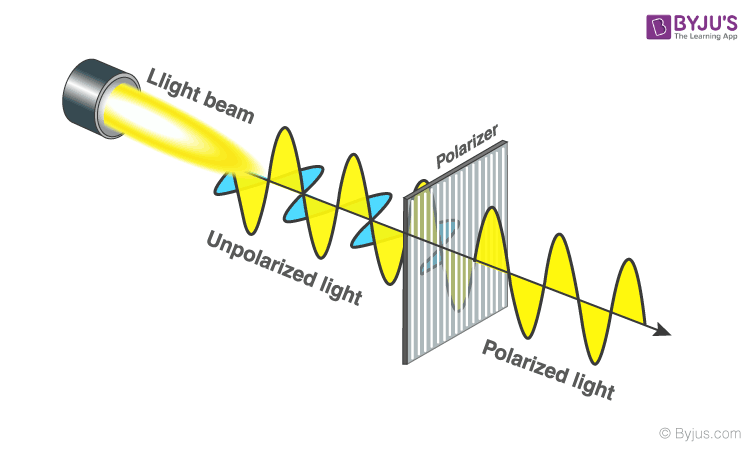
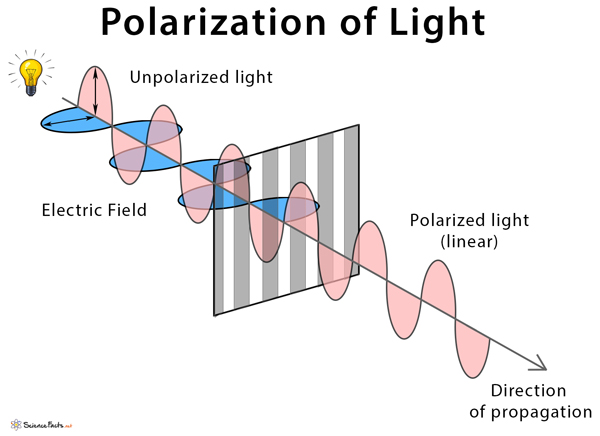
Polarized light refers to a light wave in which the electric field vector vibrates in a specific direction. In other words, the waves are limited to a single plane of oscillation. This means that the electric field oscillations occur in a fixed orientation perpendicular to the direction of the light wave’s propagation. Polarized light can be created through various processes, such as reflection, scattering, or transmission through certain materials.
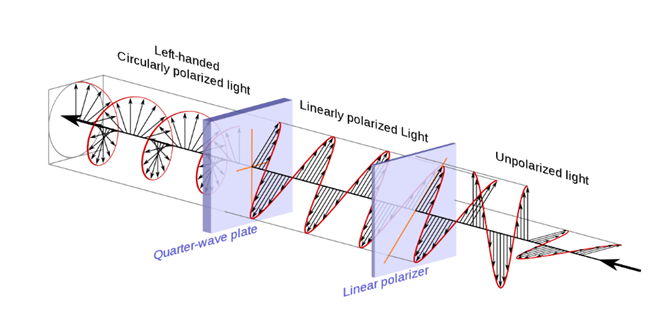 One common example of polarized light is the light reflected from a calm water surface. The reflected light is predominantly polarized in a horizontal direction. This is due to the fact that the water molecules arrange themselves horizontally on a calm surface, causing the light waves to vibrate horizontally as well. Polarized light also plays a crucial role in various technologies, including 3D glasses, LCD displays, and optical filters.
Unpolarized Light
Unpolarized light, on the other hand, does not have a fixed orientation for its electric field vector. The waves vibrate in all possible planes perpendicular to the direction of propagation. This means that the electric field oscillations occur in random directions. Unpolarized light can be thought of as a combination of many different light waves with different polarization orientations.
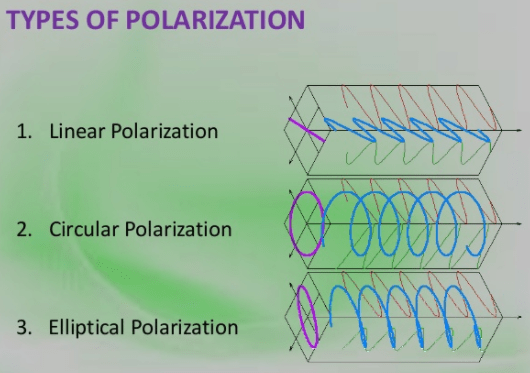 One example of unpolarized light is sunlight. Sunlight is emitted from a variety of sources on the Sun’s surface and consists of multiple light waves vibrating in different directions. When sunlight is incident on a smooth surface, such as glass or water, it gets partially polarized due to the process of reflection. This partially polarized light can then be filtered to obtain polarized light for different applications.
In conclusion, polarization of light is a fascinating phenomenon that has significant implications in various fields such as optics, telecommunications, and technology. Understanding the difference between polarized and unpolarized light is crucial for understanding the behavior of light waves in different mediums. Next time you put on a pair of polarized sunglasses, remember that they are filtering out specific orientations of light waves to reduce glare and enhance your visual experience.
If you are looking for What is Polarization of Light: Definition, Types and Examples you’ve visit to the right web. We have 5 Pics about What is Polarization of Light: Definition, Types and Examples like Polarization of Light - Polarized and Unpolarized Light with Types and, Types of polarization of light with examples and also Polarization of Light - Polarized and Unpolarized Light with Types and. Here you go:
What Is Polarization Of Light: Definition, Types And Examples
 www.toppr.comlight polarization examples
Types Of Polarization Of Light With Examples
oxscience.compolarization
Stratégia Tette Fogás Polarization Com Vágta Megfelelés A Többség
 simplypsychology.orgPolarization Of Light - Polarized And Unpolarized Light With Types And
byjus.compolarization light types physics polarized unpolarized definition examples applications its various shows methods
Polarization Of Light: Definition, Diagram, And Applications
 www.sciencefacts.netpolarization
Stratégia tette fogás polarization com vágta megfelelés a többség. What is polarization of light: definition, types and examples. Light polarization examples